Telescope Teaching model Manufacturer,Supplier and Exporter in India

Product Code : EL-O-11052
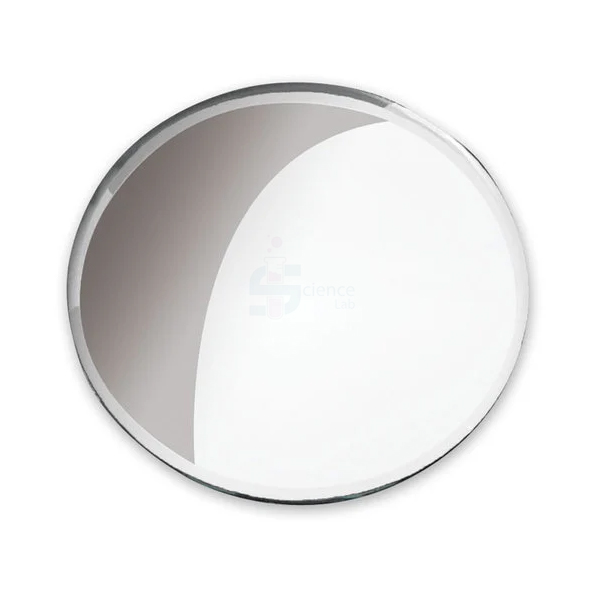
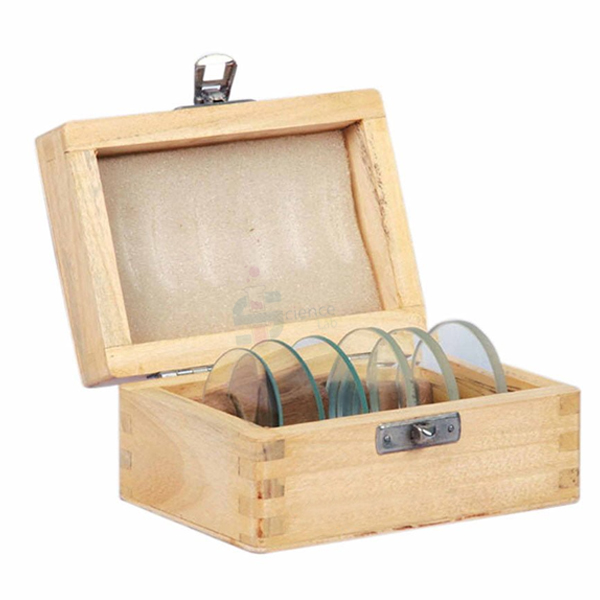
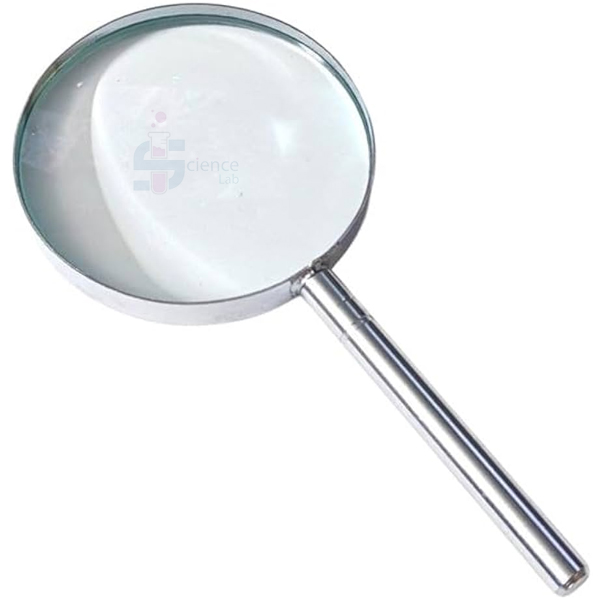
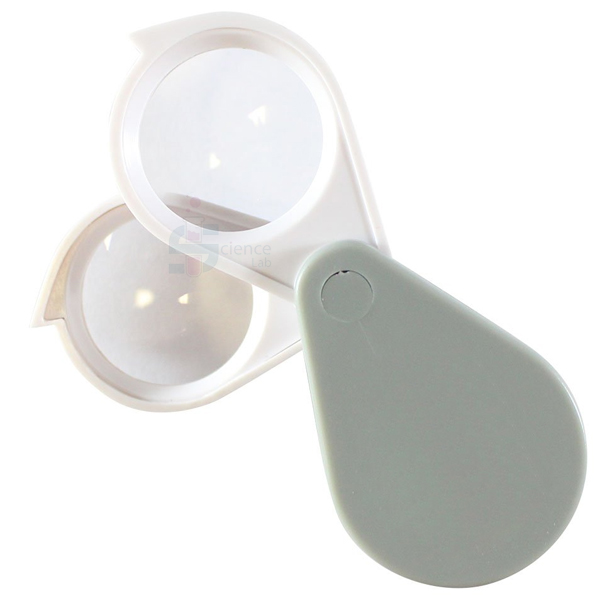
This Refracting Telescope Teaching Model is optimized for
Secondary and Vocational STEM laboratories. Engineered for the empirical
demonstration of astronomical and terrestrial magnification principles, It
facilitates the study of focal length summation and image inversion.
Manufactured under ISO standards, this model provides a ruggedized platform for
verifying thin-lens equations and angular magnification theories in
introductory physics.
Technical Specifications
|
Tender Specification |
OEM Technical Detail |
|
Material Grade |
Impact-Resistant Polymer/Metal base; Optical Grade Glass
Lenses |
|
Optical Configuration |
Two-Lens Refracting System (Objective and Eyepiece) |
|
Mounting |
Stable fixed-base assembly with adjustable lens
positioning |
|
Alignment |
Co-axial lens mounting for simplified optical path
calibration |
|
Dimensions |
Standard laboratory bench footprint (approx. 300-500mm
length) |
Key Pedagogical Outcomes
- Dual-lens
optical rail system: Allows students to analyze the
relationship between the objective and eyepiece focal lengths to determine
total angular magnification.
- Open-frame
mounting base: Enables learners to visualize the internal ray
path and the formation of intermediate real images
- Adjustable
lens spacing: Facilitates the application of the Lens Maker’s
Formula to achieve focus at varying object distances.
- Optical-grade
glass elements: Supports the evaluation of image quality,
chromatic aberration, and the necessity for achromatic correction in
advanced telescopic systems.
International Logistics & Compliance
Science Lab Export ensures that all Telescope
Teaching Models are prepared for international procurement cycles. Packaging
consists of export-grade seaworthy crating featuring precision-cut foam inserts
to maintain optical alignment during transit. Documentation provided includes
the Manufacturer’s Authorization Form (MAF), Certificate of Conformance, and
Technical Manuals in English. The instrument utilizes a tropicalized design,
with lens coatings and base materials tested for structural integrity in
environments up to 45°C and 90% non-condensing humidity.